
Easy and Delicious Gluten-Free Breakfast Casserole Recipe
If you’re looking for a show-stopping breakfast that can be prepared ahead of time, a gluten-free breakfast casserole is your answer. Whether you’re hosting a brunch, feeding a hungry family, or simply want to meal-prep for the week ahead, this versatile dish is bound to become a favorite in your kitchen. The best part? It’s naturally gluten-free friendly and tastes absolutely indulgent while being surprisingly easy to make.
Why Breakfast Casseroles Are Perfect for Gluten-Free Living
Breakfast casseroles are wonderful for anyone following a gluten-free diet because they’re inherently free from hidden gluten sources. Unlike many traditional breakfast foods that rely on bread, cereals, or flour-based items, a properly made breakfast casserole celebrates wholesome ingredients like eggs, vegetables, cheese, and meat. You have complete control over every component that goes into your dish, making it easier to avoid cross-contamination and ensure everything meets your dietary needs.
Additionally, these casseroles are perfect for meal planning. You can assemble everything the night before, refrigerate it, and simply pop it into the oven when you wake up. This means you’ll have a warm, satisfying breakfast waiting for you without any morning stress.
Ingredients You’ll Need
Here’s what you’ll need to create this delicious breakfast casserole. Feel free to adjust quantities and ingredients based on your preferences and dietary restrictions:
- 8 large eggs
- 1 cup whole milk (or dairy-free alternative)
- 1 cup gluten-free bread, cubed (or use hash browns as an alternative)
- 1 cup shredded cheddar cheese
- 6 ounces breakfast sausage, cooked and crumbled
- 1 medium bell pepper, diced
- 1 small onion, diced
- 1 cup fresh spinach, chopped
- 1 teaspoon salt
- ½ teaspoon black pepper
- ½ teaspoon garlic powder
- ¼ teaspoon paprika
- 2 tablespoons butter or olive oil
Step-by-Step Instructions
Preparation (Evening Before)
Step 1: Prepare Your Pan
Grease a 9×13-inch baking dish with butter or cooking spray. This is an important step to prevent sticking and ensure easy serving later.
Step 2: Cook Your Proteins and Vegetables
In a large skillet over medium-high heat, add your butter or olive oil. Once heated, add your diced onions and bell pepper. Sauté for about 3-4 minutes until they become slightly soft. Add your chopped spinach and cook for an additional minute until wilted. If you haven’t already cooked your sausage, add it now and cook until fully browned, breaking it apart with a spoon as it cooks. Drain any excess fat before proceeding.
Step 3: Layer Your Ingredients
Spread the cooked sausage and vegetable mixture evenly across the bottom of your prepared baking dish. Sprinkle the cubed gluten-free bread over the meat and vegetables. Top with the shredded cheddar cheese. This layering approach ensures that every bite is packed with flavor and texture.
Step 4: Prepare the Egg Mixture
In a large bowl, whisk together the eggs, milk, salt, pepper, garlic powder, and paprika until well combined. Pour this mixture slowly and evenly over the layered ingredients. Gently stir if needed to ensure the egg mixture penetrates all the layers.
Step 5: Refrigerate Overnight
Cover your casserole dish with plastic wrap or foil and refrigerate for at least 8 hours, preferably overnight. This resting period allows the bread to absorb the egg mixture and helps all the flavors meld together beautifully.
Baking Day Instructions
Step 1: Preheat Your Oven
Remove your casserole from the refrigerator about 15 minutes before baking. Preheat your oven to 350°F (175°C). Allowing the casserole to come to room temperature ensures more even cooking.
Step 2: Bake
Bake uncovered for 45-50 minutes. The casserole is done when a knife inserted in the center comes out clean and the top is light golden brown. If the top begins browning too quickly, tent it with foil for the last 10-15 minutes of cooking.
Step 3: Rest Before Serving
Let the casserole rest for about 5 minutes after removing from the oven. This makes it easier to cut and serve without everything falling apart.
Practical Tips for Success
Gluten-Free Bread Selection: Choose a quality gluten-free bread for your casserole. Brands that hold up well include Canyon Bakehouse, Little Northern Bakehouse, and Udi’s. Alternatively, you can substitute the bread with hash browns for a lower-carb option that still provides great texture.
Cheese Matters: Don’t skip the cheese or use pre-shredded varieties if possible. Freshly shredded cheese melts more smoothly and creates a creamier texture. If you’re dairy-free, use a dairy-free cheddar alternative.
Protein Variations: While sausage is classic, you can also use bacon, diced ham, or smoked salmon. For a vegetarian version, simply omit the meat and add more vegetables like mushrooms, broccoli, or asparagus.
Make it Ahead-Friendly: This casserole can be assembled 24 hours in advance. It also freezes beautifully before baking—just add 10-15 minutes to your baking time if cooking from frozen.
Customization Ideas
One of the best things about breakfast casseroles is how adaptable they are. Want a spicy kick? Add diced jalapeños or a pinch of cayenne pepper. Prefer a lighter option? Use egg whites instead of whole eggs and low-fat cheese. Love herbs? Fresh dill, chives, or parsley add wonderful flavor. For those following a specific gluten-free protocol, Mayo Clinic offers guidance on proper gluten-free practices.
Serving Suggestions
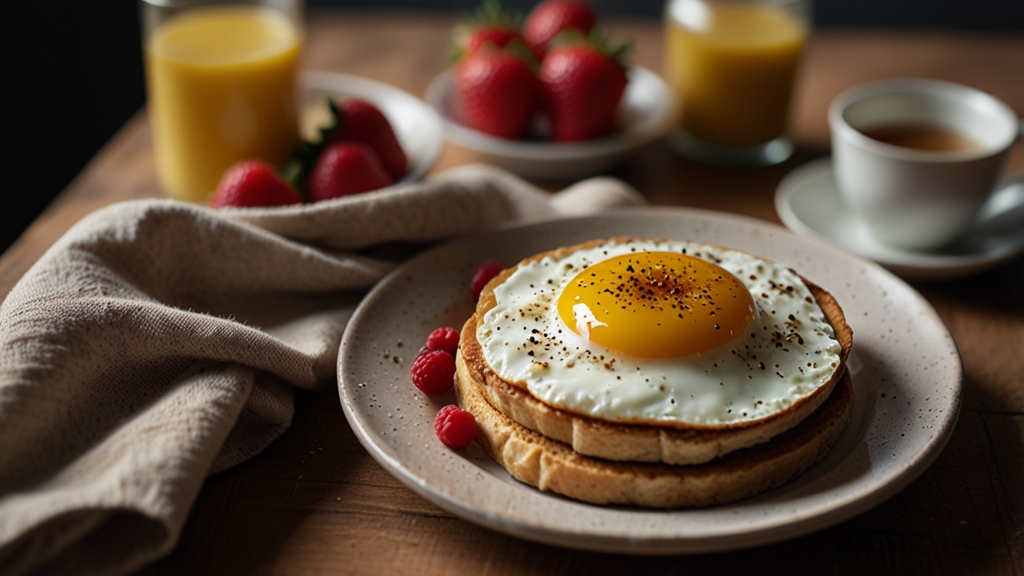
Serve your breakfast casserole with fresh fruit, a side salad, or fresh berries. A hot cup of coffee or herbal tea pairs perfectly with this comforting dish. Leftovers keep well in the refrigerator for up to three days and can be reheated gently in a 250°F oven or microwave.
Final Thoughts
This gluten-free breakfast casserole is proof that eating healthfully doesn’t mean sacrificing flavor or convenience. With minimal active cooking time and maximum results, it’s the perfect recipe for anyone new to gluten-free cooking or seasoned veterans looking for reliable