Gluten-Free Diet for Kids: Tips for Parents
Transitioning your child to a gluten-free diet can feel overwhelming at first, but with the right approach and mindset, it becomes second nature. Whether your child has been diagnosed with celiac disease, non-celiac gluten sensitivity, or you’re simply exploring dietary changes for your family, this guide will help you navigate the journey with confidence and ease.
Understanding Why You’re Making This Change
Before diving into the practical side of things, it’s helpful to understand what gluten is and why elimination is necessary. Gluten is a protein found in wheat, barley, and rye. For children with celiac disease, consuming gluten triggers an immune response that damages the small intestine, preventing proper nutrient absorption. This can lead to nutritional deficiencies, growth issues, and digestive problems. If your child has been diagnosed with celiac disease or gluten sensitivity, a strict gluten-free diet is essential for their health and development.
Having a clear understanding of this connection helps you stay committed to the dietary changes and explains to your child why certain foods are off-limits in an age-appropriate way.
Start with Education and Label Reading
One of your most important tools as a parent is learning to read food labels effectively. Gluten can hide in unexpected places, from soy sauce to certain condiments and processed foods. Here’s what you need to know:
- Look for “gluten-free” certification labels on packaging
- Check ingredient lists for wheat, barley, rye, and oats (unless certified gluten-free)
- Be aware of cross-contamination warnings like “may contain traces of wheat”
- Remember that “wheat-free” doesn’t automatically mean gluten-free
- Familiarize yourself with hidden gluten sources like malt flavoring, modified food starch, and certain spice blends
Many manufacturers now provide detailed allergen information online. Don’t hesitate to contact companies directly if you’re unsure about specific products.
Create a Gluten-Free Kitchen Environment
If your child requires a strictly gluten-free diet, setting up your kitchen properly prevents accidental contamination. Cross-contamination occurs when gluten-containing foods come into contact with gluten-free foods or shared cooking surfaces.
Step-by-step kitchen setup:
- Designate separate cutting boards, toasters, and colanders exclusively for gluten-free food preparation
- Store gluten-free products on separate shelves, preferably above gluten-containing items to prevent crumbs falling down
- Use separate butter, spreads, and condiments to avoid cross-contamination from shared utensils
- Label gluten-free items clearly so all family members understand which foods are for your child
- Establish a rule that anyone eating regular bread or pasta thoroughly washes their hands and any surfaces they’ve touched
- Consider using separate dish towels and sponges for gluten-free food preparation
Build Your Gluten-Free Pantry
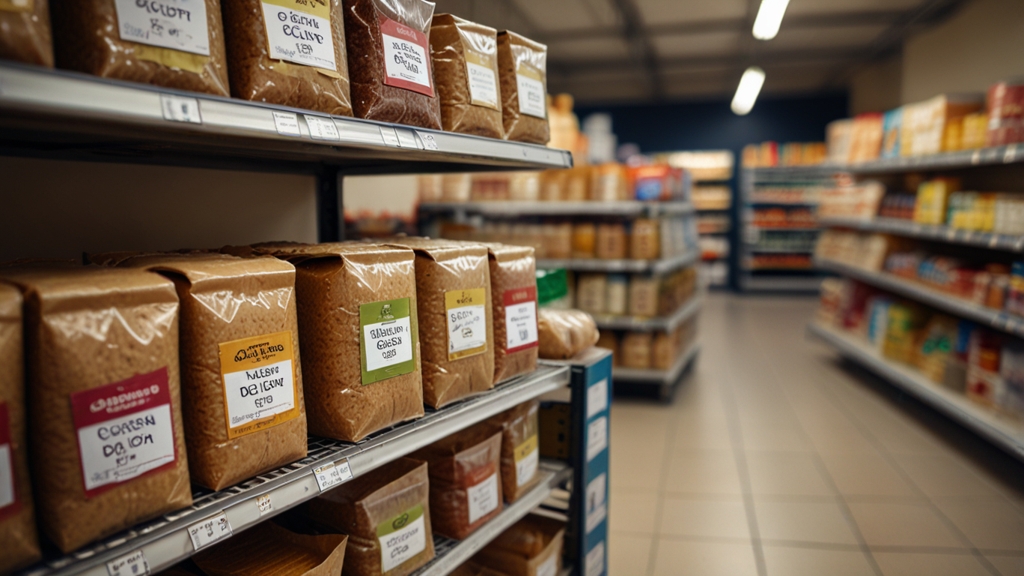
Stocking your pantry with reliable gluten-free staples makes meal planning and preparation much easier. Start by replacing common pantry items with gluten-free alternatives:
- Gluten-free flour blends for baking (or create your own mix)
- Certified gluten-free oats for breakfast and baking
- Rice, quinoa, and corn as grain alternatives
- Gluten-free pasta made from chickpeas, lentils, or rice
- Gluten-free bread and crackers
- Naturally gluten-free snacks like nuts, seeds, fruit, and yogurt
- Gluten-free condiments and sauces
Quality gluten-free products have improved dramatically in recent years. Your child doesn’t have to feel deprived—there are delicious options available for virtually every craving.
Master Basic Gluten-Free Cooking
You don’t need to become a culinary expert, but learning a few foundational cooking techniques will help you prepare nutritious, satisfying meals. Focus on naturally gluten-free foods first: proteins, vegetables, fruits, and naturally gluten-free grains like rice and potatoes are your best friends.
For baking, invest in a reliable gluten-free flour blend or learn to make your own. Gluten-free baking behaves differently than traditional baking because gluten provides structure and elasticity. Most gluten-free recipes require slightly more liquid and benefit from binders like xanthan gum or psyllium husk. Don’t get discouraged if your first attempts aren’t perfect—gluten-free baking is a learning process.
Handle School and Social Situations
School lunches and birthday parties present unique challenges. Communication is your greatest asset here. Meet with your child’s school to discuss lunch protocols and create a plan that keeps your child safe and included.
- Provide a packed lunch most days to ensure your child knows exactly what they’re eating
- Work with the school to identify safe options in the cafeteria
- Educate teachers and staff about cross-contamination risks
- Send gluten-free treats for classroom celebrations and parties
- Establish a communication system so you’re informed about food-related activities
For social situations, pack backup snacks and talk with other parents ahead of time about your child’s dietary needs. Most people are accommodating once they understand the importance of the restriction.
Support Your Child Emotionally
The emotional aspect of a gluten-free diet is just as important as the practical side. Children may feel different, frustrated, or left out. Normalize the diet by discussing it positively and matter-of-factly. Let your child participate in meal planning and cooking so they feel empowered rather than restricted.
Connect with other families managing gluten-free diets. Online communities and local support groups provide valuable resources and help your child understand they’re not alone.
Work with Professionals
Consult with a registered dietitian who specializes in pediatric gluten-free nutrition. They can ensure your child receives adequate nutrients, particularly iron, calcium, and fiber, which are sometimes lower in gluten-free diets if not planned carefully. Your pediatrician should also monitor your child’s growth and development.
For more detailed medical information about celiac disease and gluten sensitivity, visit celiac.org, which provides comprehensive resources for families.
Final Thoughts
Raising a child on a gluten-free diet is absolutely manageable with preparation, education, and a positive attitude. Your children will thrive when they’re eating foods that nourish their bodies. Take it one meal at a time, celebrate small wins, and remember that you’re doing an excellent job advocating for your child’s health and wellbeing.