
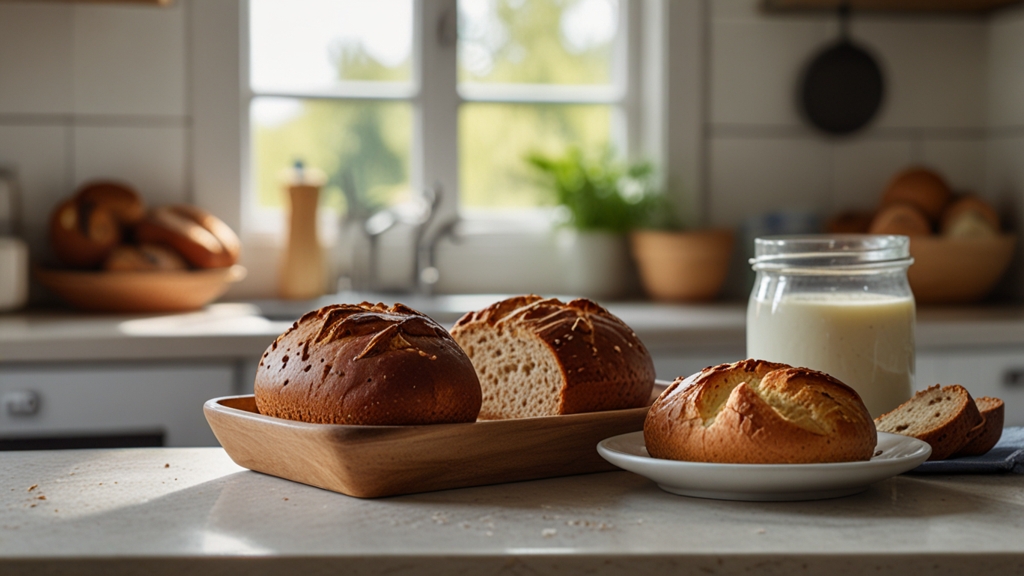
The Ultimate Guide to Gluten-Free Pumpkin Bread: Moist, Delicious, and Foolproof
There’s nothing quite like the aroma of freshly baked pumpkin bread wafting through your kitchen on a crisp autumn morning. For those of us living a gluten-free lifestyle, finding that perfect recipe can feel like discovering treasure. The good news? Making moist, delicious gluten-free pumpkin bread is absolutely achievable, and I’m going to walk you through exactly how to do it.
The challenge with gluten-free baking is that without gluten’s structural support, baked goods can turn out dry or crumbly. But pumpkin bread is actually one of the best candidates for a successful gluten-free conversion because pumpkin puree naturally adds moisture and richness. With the right technique and ingredients, you’ll end up with a loaf that’s so tender and moist, even your gluten-eating friends won’t believe it’s gluten-free.
Why Pumpkin Bread is Perfect for Gluten-Free Baking
Pumpkin puree is a game-changer in gluten-free baking. Unlike some baked goods that rely heavily on gluten for structure and moisture retention, pumpkin bread benefits from the natural moisture content of pumpkin. Pumpkin also contains natural sugars and fiber, which contribute to a tender crumb and keep the bread moist longer.
Additionally, the warm spices typically used in pumpkin bread—cinnamon, nutmeg, ginger, and cloves—add so much flavor that you won’t miss the subtleties that gluten might otherwise provide. The spices are the real stars here, creating a rich, complex taste profile that makes the bread absolutely crave-worthy.
Essential Ingredients for Moist Gluten-Free Pumpkin Bread
The secret to moisture in gluten-free pumpkin bread lies in your ingredient selection. Here’s what you’ll need:
- Gluten-free flour blend: Use a high-quality blend that includes xanthan gum, or add it separately. I recommend Bob’s Red Mill 1-to-1 Baking Flour for consistency and reliability.
- Pumpkin puree: Use pure pumpkin puree, not pie filling. One 15-ounce can is standard for most recipes.
- Oil: Rather than butter alone, using oil (vegetable or coconut) helps retain moisture. A combination of oil and butter works beautifully.
- Eggs: These bind everything together and contribute to moisture and structure.
- Sugar: Brown sugar adds moisture compared to white sugar, so use a mix of both.
- Spices: Cinnamon, nutmeg, ground ginger, and cloves are non-negotiable.
- Baking soda and salt: These provide rise and enhance flavor.
The Perfect Gluten-Free Pumpkin Bread Recipe
Ingredients:
- 1¾ cups gluten-free all-purpose flour blend (with xanthan gum)
- 1 teaspoon baking soda
- ½ teaspoon baking powder
- 1½ teaspoons ground cinnamon
- ½ teaspoon ground nutmeg
- ¼ teaspoon ground ginger
- ¼ teaspoon ground cloves
- ½ teaspoon salt
- ⅓ cup neutral oil
- ⅓ cup unsalted butter, melted
- 1 cup granulated sugar
- ¾ cup packed brown sugar
- 2 large eggs
- 1 (15-ounce) can pure pumpkin puree
- ¼ cup sour cream or Greek yogurt
- 1 teaspoon vanilla extract
Step-by-Step Instructions
Preparation: Preheat your oven to 350°F (175°C). Grease a standard 9×5-inch loaf pan or line it with parchment paper. This prevents sticking and makes removal easier.
Step 1 – Dry Ingredients: In a medium bowl, whisk together your gluten-free flour, baking soda, baking powder, cinnamon, nutmeg, ginger, cloves, and salt. Make sure everything is evenly combined, breaking up any lumps of flour or spices. Set aside.
Step 2 – Wet Ingredients: In a large bowl, whisk together the oil, melted butter, granulated sugar, and brown sugar until well combined. The mixture should be smooth and slightly thick.
Step 3 – Combine Base: Add the eggs one at a time to the wet mixture, whisking well after each addition. Then add the pumpkin puree, sour cream, and vanilla extract. Whisk until smooth and fully incorporated. This mixture should be quite wet at this point.
Step 4 – Final Combine: Gently fold the dry ingredients into the wet ingredients using a spatula or wooden spoon. Stir until just combined—don’t overmix. Small lumps are okay; overmixing can lead to a dense, tough crumb in gluten-free baking.
Step 5 – Bake: Pour the batter into your prepared loaf pan, smoothing the top slightly. Bake for 55-65 minutes, until a toothpick inserted in the center comes out with just a few moist crumbs (not wet batter, but a little moisture is perfect for keeping it moist).
Step 6 – Cool: Allow the bread to cool in the pan for 15 minutes, then turn it out onto a wire rack to cool completely. This prevents the bottom from getting soggy.
Pro Tips for Maximum Moisture
Room temperature ingredients blend together more smoothly and create a better emulsion, resulting in a more moist final product. Take your eggs, pumpkin puree, and dairy out of the fridge 30 minutes before baking.
The sour cream or Greek yogurt is crucial—it adds moisture and creates a tender crumb. Don’t skip it or substitute it without research.
Don’t open the oven door before 50 minutes of baking. Temperature fluctuations can affect the structure of gluten-free baked goods.
Store your cooled pumpkin bread wrapped in plastic wrap at room temperature for up to three days, or refrigerate for up to a week. The bread actually becomes moister as it sits, making day two or three absolutely perfect.
Freeze slices individually in a freezer bag for up to three months. Thaw at room temperature or toast from frozen for a delicious snack anytime.
Understanding Gluten-Free Baking Success
If you’re new to gluten-free baking, it’s worth understanding why certain techniques matter. According to the Celiac Disease Foundation, proper gluten-free flour blends are essential for successful baking outcomes. Quality matters, and investing in a reliable flour blend makes a significant difference.
The combination of moisture-rich ingredients, proper mixing technique, and precise baking time creates the ideal gluten-free