
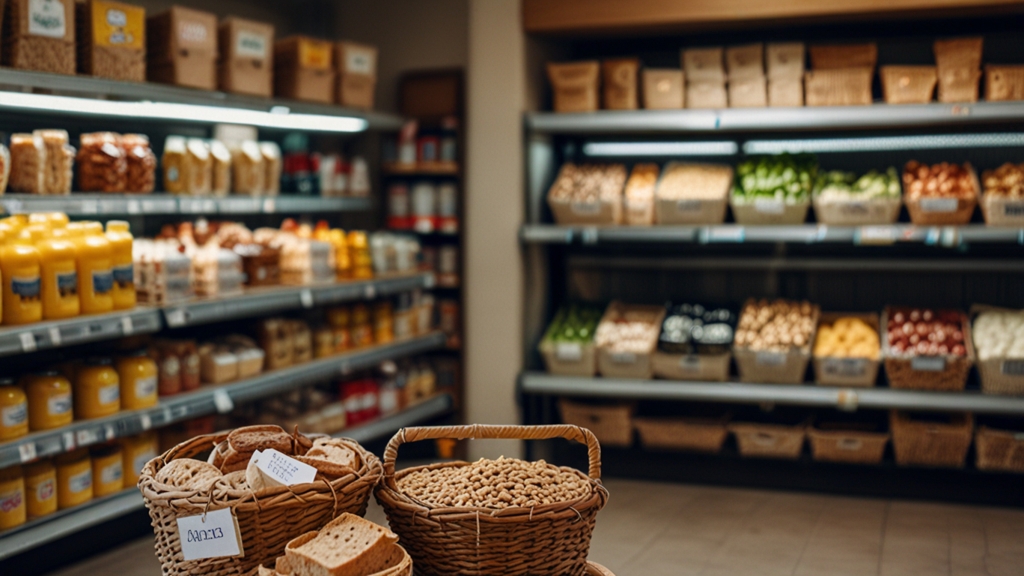
How to Start a Gluten-Free Diet for Beginners
Making the decision to go gluten-free can feel overwhelming at first, especially when you’re navigating unfamiliar labels, new cooking techniques, and a completely different way of shopping. Whether you’ve been diagnosed with celiac disease, gluten sensitivity, or you’re simply choosing to eliminate gluten for health reasons, the good news is that starting a gluten-free diet is absolutely achievable with the right guidance and a little patience.
In this guide, I’ll walk you through the essential steps to help you transition smoothly into a gluten-free lifestyle. You’ll learn what gluten actually is, how to identify hidden sources, and practical strategies to make your kitchen gluten-free friendly. Let’s get started!
Understanding What Gluten Really Is
Before diving into dietary changes, it’s helpful to understand exactly what you’re avoiding. Gluten is a protein found primarily in wheat, barley, and rye. It’s responsible for the elastic texture in bread and baked goods, and it hides in countless processed foods you might not suspect.
The tricky part about gluten is that it doesn’t just appear in obvious places like bread and pasta. It can lurk in sauces, seasonings, salad dressings, and even some medications. This is why reading labels becomes such an important skill for anyone following a gluten-free diet.
If you have celiac disease or a medical condition requiring gluten avoidance, consult with your healthcare provider or a registered dietitian before making significant dietary changes. For more information about celiac disease and its effects, visit the Celiac Disease Foundation.
Step One: Clean Out Your Pantry
Starting fresh is often the easiest way to begin your gluten-free journey. Go through your kitchen and identify products that contain gluten. This doesn’t mean throwing everything away, but it’s helpful to know what needs to be replaced.
Common items to watch for include:
- All-purpose flour and wheat-based flours
- Traditional pasta and bread
- Cereals and granolas containing wheat
- Soy sauce (which typically contains wheat)
- Bouillon cubes and broth mixes
- Baking mixes and pancake mixes
- Processed snacks with hidden gluten
Don’t stress if you can’t replace everything immediately. Focus on the staples you use most frequently, and gradually transition other items as you discover gluten-free alternatives.
Step Two: Stock Your Kitchen with Gluten-Free Essentials
Replace those pantry items with gluten-free versions. The good news is that the gluten-free food market has expanded dramatically, making it easier than ever to find quality alternatives.
Essential gluten-free pantry staples include:
- Gluten-free all-purpose flour blend (look for ones with xanthan gum already included)
- Rice flour, almond flour, and coconut flour for different baking needs
- Certified gluten-free oats for breakfast
- Gluten-free pasta made from brown rice, chickpeas, or corn
- Rice, quinoa, and other naturally gluten-free grains
- Tamari or coconut aminos as soy sauce substitutes
- Gluten-free bread and baked goods (fresh or frozen)
- Certified gluten-free snacks you enjoy
Look for products labeled “certified gluten-free” when possible. This certification ensures the product has been tested and contains less than 20 parts per million (ppm) of gluten, which is the legal threshold for gluten-free claims.
Step Three: Master Label Reading
Becoming a label detective is one of the most valuable skills for gluten-free living. Always check ingredient lists, not just the marketing claims on the front of the package.
Words that indicate gluten presence:
- Wheat, barley, rye
- Malt or malt flavoring
- Modified food starch (if source isn’t listed)
- Natural flavoring (sometimes contains gluten)
- Hydrolyzed vegetable protein from wheat
Many naturally gluten-free foods like fruits, vegetables, meat, fish, eggs, dairy, and beans don’t require special attention. However, when buying packaged or processed versions, always read the label to ensure no gluten-containing ingredients were added.
Step Four: Plan Simple Meals
When starting out, focus on simple, naturally gluten-free meals rather than trying to recreate your favorite gluten-containing dishes right away. This reduces stress and helps you build confidence in the kitchen.
Easy meal ideas to get you started:
- Grilled chicken with roasted vegetables and rice
- Eggs with toast made from gluten-free bread
- Tacos using corn tortillas and seasoned ground meat
- Baked salmon with sweet potatoes and asparagus
- Chili made with beans and ground beef
- Stir-fries with rice and your favorite proteins
- Salads with grilled vegetables and lean proteins
Once you’re comfortable with these basics, you can gradually experiment with gluten-free baking and specialty recipes.
Step Five: Learn About Cross-Contamination
If you have celiac disease or severe gluten sensitivity, understanding cross-contamination is critical. This occurs when gluten-free foods come into contact with gluten-containing foods or surfaces.
Prevention tips include:
- Using separate cutting boards and utensils for gluten-free food preparation
- Washing hands thoroughly after handling gluten-containing foods
- Using dedicated toasters or toaster ovens for gluten-free bread
- Storing gluten-free foods separately from gluten-containing items
- Being cautious when cooking in shared kitchens
- Asking about preparation methods when eating at restaurants
While cross-contamination matters most for those with celiac disease, it’s good practice for anyone following a strict gluten-free diet.
Step Six: Build Your Recipe Collection
Start collecting gluten-free recipes that appeal to you. Look for blogs, cookbooks, and websites dedicated to gluten-free cooking. Having go-to recipes makes meal planning easier and helps prevent boredom.
Look for recipes that use naturally gluten-free whole foods rather than relying heavily on gluten-free specialty products, which can be expensive and highly processed.
Final Thoughts
Starting a gluten-free diet is a journey, not a sprint. Be patient with yourself as you learn new cooking techniques and discover which products and recipes work best for your household. Within a few weeks, navigating the gluten-free world will feel much more natural.
Remember that thousands of people successfully follow gluten-free diets and live healthy, fulfilling lives. You can too! With proper planning, education, and a positive attitude, you’ll soon be confidently preparing delicious gluten-free meals that everyone at your table will enjoy.