
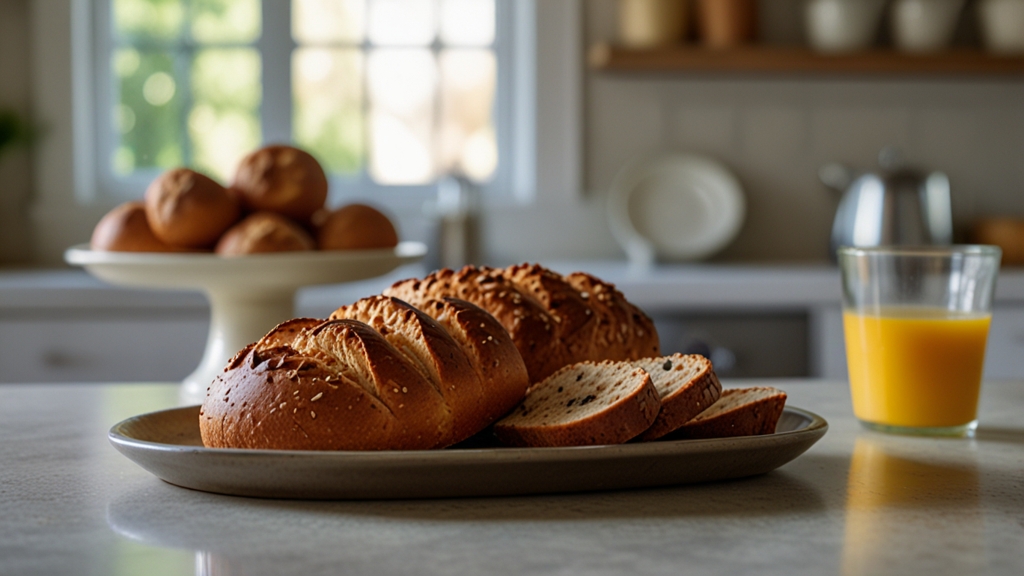
How to Make Gluten-Free Bread from Scratch: A Beginner’s Guide
Making gluten-free bread at home might seem intimidating, especially if you’re new to gluten-free baking. But here’s the good news: with the right ingredients and a bit of patience, you can create delicious, crusty, and satisfying bread that rivals any bakery loaf. Whether you’ve recently been diagnosed with celiac disease, have a gluten sensitivity, or simply want to explore gluten-free options, this guide will walk you through everything you need to know.
Understanding Gluten-Free Flour Blends
The foundation of great gluten-free bread starts with choosing the right flour blend. Unlike wheat flour, gluten-free flours don’t have the protein structure that gives regular bread its elasticity and chewiness. This means we need to get creative with our flour combinations.
A reliable all-purpose gluten-free flour blend typically includes a mix of rice flour, tapioca starch, potato starch, and xanthan gum. You can purchase pre-made blends like Bob’s Red Mill or King Arthur Baking Company’s gluten-free flour, or create your own custom blend. If you’re making your own, a good ratio is: 40% rice flour, 30% tapioca starch, 20% potato starch, and 10% cornstarch, with xanthan gum added according to package directions.
The combination of these starches creates structure and helps trap air bubbles, giving your bread that coveted light, airy crumb. Xanthan gum acts as a binder, replacing the role gluten would normally play.
Essential Ingredients You’ll Need
- 2 cups gluten-free all-purpose flour blend
- 1½ teaspoons salt
- ½ teaspoon instant yeast
- 1½ tablespoons sugar or honey
- 2 tablespoons olive oil or butter
- ¾ cup warm water (around 110°F)
- 1 teaspoon xanthan gum (if not already in your flour blend)
These simple ingredients come together to create a basic loaf. Once you master this recipe, you can experiment with additions like seeds, nuts, or herbs to customize your bread.
Step-by-Step Instructions for Gluten-Free Bread
Step 1: Activate Your Yeast
Begin by mixing your warm water with sugar and yeast in a small bowl. Let it sit for about 5 minutes. You should see it become foamy on top—this indicates your yeast is alive and active. This is called “blooming” the yeast, and it’s crucial for successful bread rising.
Step 2: Mix Your Dry Ingredients
In a large mixing bowl, combine your gluten-free flour blend, salt, and xanthan gum if using. Whisk these together thoroughly to ensure even distribution of the xanthan gum throughout the flour. This step prevents lumps and ensures consistent texture in your final loaf.
Step 3: Combine Wet and Dry Ingredients
Create a well in the center of your dry ingredients. Pour in your bloomed yeast mixture and the olive oil. Using an electric mixer with a paddle attachment (highly recommended for gluten-free dough), mix on medium speed for about 3-4 minutes. The dough should be thick and sticky, quite different from traditional wheat bread dough. This is normal and expected—gluten-free dough won’t form a tight ball like conventional dough.
Step 4: First Rise
Transfer your dough to a greased loaf pan, smoothing the top with wet hands. Cover the pan with a damp towel or plastic wrap and place it in a warm location. Let it rise for 45 minutes to 1 hour, or until it’s visibly puffed and has risen above the rim of the pan. A turned-off oven with the light on works wonderfully as a proofing environment.
Step 5: Prepare for Baking
While your dough rises, preheat your oven to 375°F (190°C). If you want a crispy crust, place a small baking dish filled with hot water on the bottom rack of your oven to create steam.
Step 6: Score and Bake
Using a sharp knife, make a shallow cut down the center of your loaf. This allows steam to escape in a controlled manner and gives your bread an attractive appearance. Bake for 35-40 minutes, until the top is golden brown and the loaf sounds hollow when tapped on the bottom. If the top is browning too quickly, loosely tent it with foil partway through baking.
Step 7: Cool Completely
Remove your bread from the oven and let it cool in the pan for 10 minutes. Then turn it out onto a wire rack and let it cool completely before slicing. This cooling period is important—cutting into warm bread will result in a gummy texture. I know it’s tempting to dig in, but patience here makes a real difference!
Practical Tips for Success
Use a kitchen scale: Gluten-free baking is more precise than traditional baking. Weighing ingredients rather than measuring by volume leads to more consistent results. Invest in an inexpensive digital scale for better outcomes.
Water temperature matters: Cold water slows yeast activity, while water that’s too hot can kill your yeast. Aim for around 110°F—warm to the touch but not hot.
Don’t skip the electric mixer: Developing gluten-free dough properly requires thorough mixing. Hand-mixing is possible but exhausting and may not yield the best texture.
Invest in quality flour blends: While homemade blends can work, commercial blends are often formulated with the right balance of starches and binders. Different brands behave differently, so once you find one you like, stick with it.
Keep detailed notes: Humidity, temperature, and even altitude affect gluten-free baking. Keep a simple notebook recording what you did, how it turned out, and what you’d adjust next time.
Troubleshooting Common Issues
If your bread is too dense, your dough might not have risen long enough, or your yeast might be inactive. Ensure you’re using fresh yeast and allowing adequate rising time. If your bread is too moist inside, you might need to bake it longer or use slightly less water.
For more information about gluten-free living and recipes, visit the Celiac Disease Foundation, which offers excellent resources for those managing celiac disease.
Final Thoughts
Making gluten-free bread from scratch is absolutely achievable for home bakers of all skill levels. Your first loaf might not be perfect, and that’s perfectly okay. Each attempt teaches you something new about how your kitchen, your ingredients, and your techniques work together. With practice, you’ll develop an intuition for the dough, and soon you’ll be creating beautiful, delicious bread that brings joy to your table. Happy baking!