
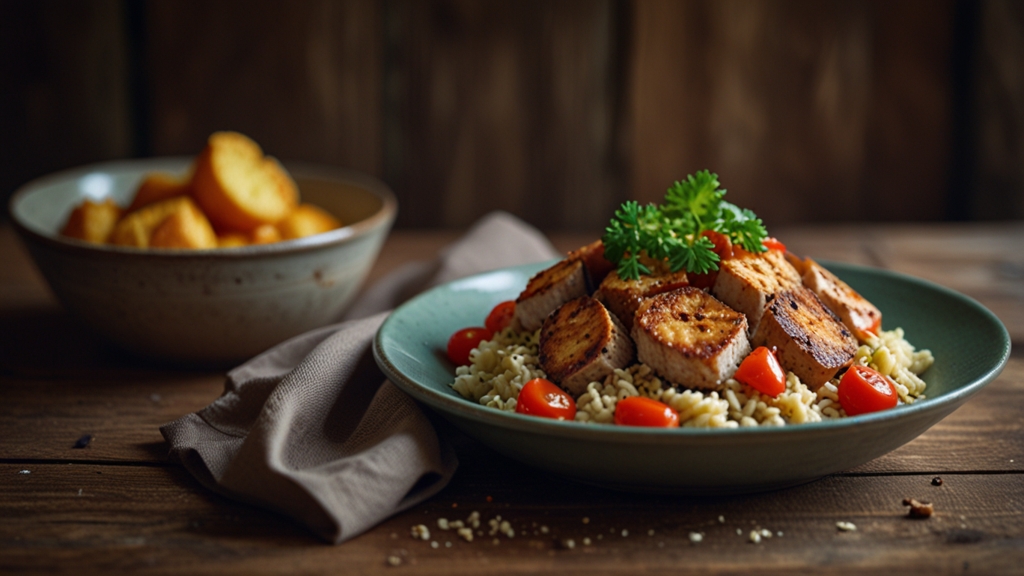
Fast Gluten-Free Stir Fry Noodles Recipe: A Quick Weeknight Dinner Solution
If you’re following a gluten-free diet and constantly searching for quick, satisfying meals that don’t compromise on flavor, stir fry noodles should become your new best friend. This versatile dish comes together in under 20 minutes, making it perfect for busy weeknights when you need something delicious without spending hours in the kitchen. The beauty of stir fry noodles lies in their flexibility – you can customize them with your favorite vegetables, proteins, and sauces while keeping everything naturally gluten-free.
Why Gluten-Free Stir Fry Noodles?
Stir fry noodles are an excellent choice for anyone on a gluten-free journey. Traditional Asian cuisine often relies on soy sauce and wheat-based ingredients, which can be problematic for those with celiac disease or gluten sensitivity. However, by making smart ingredient swaps and choosing certified gluten-free products, you can enjoy all the authentic flavors without the gluten. This recipe ensures you get that restaurant-quality taste at home while maintaining complete control over your ingredients.
Beyond the dietary benefits, stir fry noodles offer nutritional value. You’ll load your bowl with fresh vegetables, lean protein, and wholesome carbohydrates – all packed with vitamins and minerals. Plus, the cooking method preserves more nutrients than many other preparation techniques since vegetables are cooked quickly over high heat.
Essential Ingredients for Your Gluten-Free Stir Fry Noodles
For the base:
- 8 ounces gluten-free noodles (rice noodles, buckwheat noodles, or legume-based pasta work wonderfully)
- 2 tablespoons sesame oil or neutral cooking oil
- 3 cloves garlic, minced
- 1 tablespoon fresh ginger, minced
For the sauce:
- 3 tablespoons tamari or gluten-free soy sauce
- 1 tablespoon rice vinegar
- 1 teaspoon honey or maple syrup
- ½ teaspoon sesame oil
- ¼ teaspoon red pepper flakes (adjust to taste)
For vegetables and protein:
- 2 cups mixed vegetables (bell peppers, broccoli, snap peas, carrots, mushrooms)
- 8 ounces protein (chicken breast, shrimp, tofu, or beef)
- 2 green onions, sliced
- Sesame seeds for garnish
- Salt and pepper to taste
Important Note About Gluten-Free Ingredients
When shopping for your stir fry, always check labels carefully. While many ingredients are naturally gluten-free, cross-contamination during manufacturing can be a concern for those with celiac disease. Look for products certified gluten-free, particularly for soy sauce – this is crucial since traditional soy sauce is made from wheat. Tamari is your best friend here as it’s naturally brewed without wheat. For more information about reading labels and identifying hidden gluten, visit celiac.org’s guide to gluten-free basics.
Step-by-Step Instructions
Step 1: Prepare Your Ingredients
Proper preparation is the secret to fast stir fry success. Before you start cooking, have everything chopped, measured, and ready to go. This is called mise en place in cooking, and it’s essential for stir fry since everything cooks so quickly. Cut vegetables into uniform bite-sized pieces so they cook evenly. Slice your protein into thin, uniform pieces – this helps it cook through faster.
Step 2: Cook the Noodles
Bring a large pot of salted water to a boil and cook your gluten-free noodles according to package directions. Since cooking times vary significantly between rice noodles, buckwheat noodles, and gluten-free pasta, don’t skip this step. Drain the noodles in a colander and set aside. A helpful tip: rinse rice noodles briefly with cool water to prevent sticking, but avoid this with other noodle varieties.
Step 3: Prepare Your Sauce
While your noodles cook, combine all sauce ingredients in a small bowl: tamari, rice vinegar, honey, sesame oil, and red pepper flakes. Stir until the honey dissolves completely. This homemade sauce is far superior to bottled versions and takes just minutes to prepare. Taste and adjust seasonings – you can always add more tamari for saltiness or vinegar for tanginess.
Step 4: Cook Your Protein
Heat 1 tablespoon of oil in a large wok or skillet over medium-high heat. Once the oil shimmers, add your protein and cook until nearly done. Don’t overcook – you’ll finish cooking it when you add the vegetables. This step typically takes 3-5 minutes depending on your protein choice.
Step 5: Add Aromatics and Vegetables
Push your cooked protein to the side of the wok. Add another tablespoon of oil to the empty space, then immediately add minced garlic and ginger. Cook for about 30 seconds until fragrant – this step is crucial for building flavor. Add your hardest vegetables first (like carrots), then softer ones (like bell peppers and snap peas). Stir constantly for 3-4 minutes until vegetables are tender-crisp.
Step 6: Combine Everything
Add your cooked noodles and prepared sauce to the wok. Toss everything together thoroughly, ensuring the sauce coats all the noodles and vegetables. Cook for another 1-2 minutes until everything is heated through and well combined. The sauce should glisten over the noodles beautifully.
Step 7: Finish and Serve
Remove from heat and stir in most of the green onions, reserving some for garnish. Taste and adjust seasonings with salt and pepper as needed. Divide into bowls and garnish with remaining green onions and sesame seeds.
Practical Tips for Success
- Don’t crowd the pan: If cooking large amounts of vegetables, work in batches. Overcrowding causes steaming instead of proper stir frying.
- Keep everything hot: Stir fry should be cooked over high heat. Medium-high is the minimum temperature.
- Prep ahead: You can chop vegetables and marinate protein up to one day ahead, making dinner even faster on busy nights.
- Experiment with noodles: Try different gluten-free noodle varieties to find your favorite. Brown rice noodles offer earthiness, while buckwheat provides a nutty flavor.
- Add extra vegetables: Feel free to use whatever vegetables you have on hand. Mushrooms, water chestnuts, baby corn, and bok choy all work wonderfully.
Storage and Variations
This dish stores beautifully in the refrigerator for up to three days, making it perfect for meal prep. Simply reheat gently in a wok or skillet, adding a splash of water if needed. For meal prep containers, store noodles and sauce separately if you’re storing for more than one day to prevent sogg