
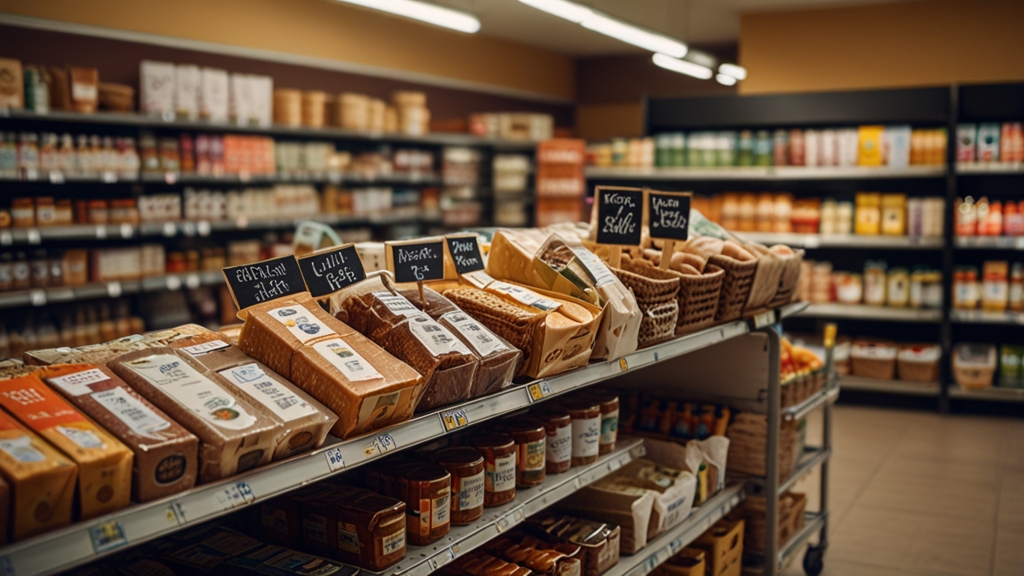
Nutrients to Watch on a Gluten-Free Diet
Making the switch to a gluten-free lifestyle is an exciting journey, whether you’re managing celiac disease, gluten sensitivity, or simply exploring a new way of eating. However, as with any major dietary change, it’s important to be mindful of certain nutrients that can sometimes be overlooked when eliminating gluten-containing foods. The good news? With a little knowledge and planning, you can easily maintain excellent nutrition while enjoying delicious gluten-free meals.
Let’s explore the key nutrients you should keep an eye on and discover practical ways to ensure you’re getting everything your body needs to thrive.
Why Nutrient Tracking Matters on a Gluten-Free Diet
Many traditional sources of essential nutrients are grain-based and naturally contain gluten. When we remove these foods from our diet, we need to be intentional about replacing them with equally nutritious alternatives. Additionally, some people with celiac disease may have experienced nutrient deficiencies before diagnosis due to intestinal damage that prevented proper absorption. Being aware of these potential gaps helps you avoid deficiencies and feel your absolute best.
Iron: Your Energy Ally
Iron is a critical mineral that often needs attention on a gluten-free diet. Fortified wheat bread and cereals have historically been major iron sources for many people. Without these staples, you’ll want to deliberately include iron-rich foods in your meals.
Best gluten-free iron sources:
- Red meat, poultry, and fish (heme iron, which is highly absorbable)
- Legumes like lentils, chickpeas, and black beans
- Leafy greens such as spinach and kale
- Fortified gluten-free cereals and oats
- Nuts and seeds, particularly pumpkin seeds
Pro tip: Pair iron-rich foods with vitamin C sources like citrus, tomatoes, or bell peppers to enhance iron absorption. For example, enjoy lentil soup with a squeeze of lemon juice or serve spinach salad with strawberries.
B Vitamins: Fuel for Daily Life
The B vitamin family—particularly thiamine, riboflavin, niacin, and folate—is essential for energy production and nervous system health. Many gluten-free people miss out on these nutrients because enriched wheat products were primary sources.
Smart ways to get your B vitamins:
- Choose enriched gluten-free bread and pasta products
- Eat whole grains like quinoa, millet, and brown rice
- Include eggs, dairy products, and nutritional yeast in your meals
- Enjoy almonds, mushrooms, and asparagus regularly
- Consider a B-complex supplement if recommended by your healthcare provider
Keep in mind that some gluten-free products are fortified with B vitamins, so checking labels can help you identify convenient nutrient-boosted options.
Fiber: Don’t Forget the Foundation
Fiber is often inadvertently reduced on a gluten-free diet, especially if you replace whole wheat products with refined gluten-free alternatives. This essential nutrient supports digestive health, stable blood sugar, and heart health.
Building a fiber-rich gluten-free plate:
- Select whole gluten-free grains like oats, quinoa, and amaranth as your base
- Load half your plate with vegetables at every meal
- Include legumes at least three times per week
- Snack on fresh fruits with skins intact, nuts, and seeds
- Gradually increase fiber intake to allow your digestive system to adjust
Aim for 25-30 grams of fiber daily. Increasing too quickly can cause bloating, so make changes gradually over a few weeks.
Calcium and Vitamin D: Strong Bones Matter
Calcium and vitamin D work together to maintain bone health and support immune function. People with untreated celiac disease may have lower bone density, making this nutrient pair especially important.
Calcium-rich gluten-free options:
- Dairy products like milk, yogurt, and cheese
- Fortified plant-based milk alternatives
- Leafy greens including collards, broccoli, and bok choy
- Canned fish with bones, such as salmon and sardines
- Almonds and tahini
For vitamin D: Aim for 15 minutes of sunlight daily, include fatty fish like salmon and mackerel in your diet, and eat egg yolks. Many people benefit from a vitamin D supplement, particularly during winter months. Discuss supplementation with your doctor to determine what’s right for you.
Protein: Building Blocks of Life
Protein supports muscle maintenance, immune function, and satiety. Fortunately, naturally gluten-free protein sources are abundant and delicious.
Gluten-free protein powerhouses:
- Meat, poultry, and fish
- Eggs and dairy products
- Legumes and tofu
- Nuts, seeds, and nut butters
- Quinoa (a complete protein containing all amino acids)
- Gluten-free pasta made from lentils or chickpeas
Aim to include a protein source at each meal. This helps you feel fuller longer and maintains stable energy throughout the day.
Additional Minerals: Zinc and Magnesium
These minerals sometimes take a backseat in gluten-free discussions, but they’re crucial for immune function, muscle health, and stress management.
Zinc and magnesium sources:
- Oysters and other shellfish (especially zinc-rich)
- Beef and poultry
- Pumpkin seeds and other seeds
- Nuts, particularly almonds
- Dark leafy greens and legumes
- Dark chocolate (yes, really!)
Practical Steps to Get Started
Step 1: Keep a Food Diary Track your meals for a week to identify any nutrient gaps. Note which food groups appear regularly and which ones you’re missing.
Step 2: Read Labels Intentionally Look for fortified gluten-free products and check for nutrient information. This helps you choose options that contribute to your daily nutrient needs.
Step 3: Plan Diverse Meals Aim for variety across your plate. Different colored vegetables, multiple protein sources, and varied whole grains ensure you’re getting a spectrum of nutrients.
Step 4: Consider Professional Support A registered dietitian specializing in gluten-free eating can provide personalized guidance and identify specific deficiencies through bloodwork