How to Start a Gluten-Free Diet for Beginners
Making the switch to a gluten-free diet can feel overwhelming at first, but with the right knowledge and preparation, it becomes much more manageable. Whether you’re doing this for health reasons, celiac disease, gluten sensitivity, or personal preference, this beginner’s guide will walk you through everything you need to know to start your gluten-free journey successfully.
Understanding What Gluten Is
Before diving into dietary changes, it’s important to understand what gluten actually is. Gluten is a protein found primarily in wheat, barley, and rye. It’s what gives bread its chewy texture and is present in many processed foods you might not expect. Understanding where gluten hides is your first step toward successfully avoiding it.
If you have celiac disease, consuming gluten triggers an immune response that damages your small intestine. Even for those without celiac disease, gluten sensitivity can cause digestive discomfort, fatigue, or other symptoms. Whatever your reason for going gluten-free, understanding the basics will help you make informed choices.
Step 1: Get Educated on Hidden Sources of Gluten
Gluten isn’t just in bread and pasta. It lurks in many unexpected places, including soy sauce, salad dressings, processed meats, and even some seasonings. Taking time to learn about hidden gluten sources will prevent accidental consumption.
- Obvious sources: Bread, pasta, cereals, baked goods, and beer
- Hidden sources: Soy sauce, gravies, broths, processed snacks, and candy
- Tricky items: Oats (unless certified gluten-free), flavored yogurts, and some medications
For comprehensive information about gluten and celiac disease, visit celiac.org, which provides detailed resources for those newly diagnosed and experienced dieters alike.
Step 2: Clear Your Pantry and Kitchen
One of the most practical steps is to go through your kitchen and remove gluten-containing products. This prevents accidental consumption and makes meal preparation easier. You don’t need to throw everything away immediately—use items as they run out, then replace them with gluten-free alternatives.
Focus on clearing out these common culprits:
- Regular pasta and flour
- Breads and cereals containing wheat
- Sauces and condiments with gluten
- Baking products containing regular flour
- Processed snacks and crackers
While you’re at it, establish a dedicated space in your kitchen for gluten-free products. This helps prevent cross-contamination and makes meal prep more straightforward, especially if others in your household eat gluten.
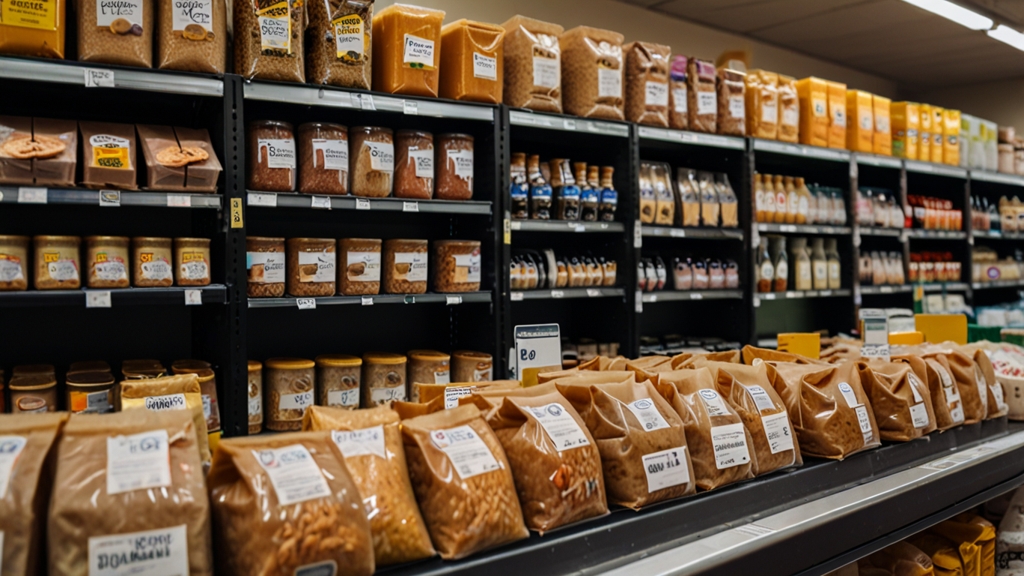
Step 3: Stock Your Pantry with Gluten-Free Staples
Build a foundation of essential gluten-free ingredients that will serve as the basis for most of your meals. These staples make cooking easier and more enjoyable.
- Grains: Rice, quinoa, corn, and certified gluten-free oats
- Flours: Rice flour, almond flour, coconut flour, and gluten-free all-purpose flour blends
- Pasta: Gluten-free pasta made from rice, corn, or legumes
- Proteins: Eggs, beans, lentils, and fresh meat and fish
- Condiments: Tamari or coconut aminos (gluten-free soy sauce alternatives)
- Baking essentials: Baking powder, xanthan gum, and gluten-free yeast
Step 4: Read Labels Like a Pro
Label reading becomes second nature once you know what to look for. Always check the ingredient list, not just marketing claims on the front of the package. Look for these red flags:
- Wheat, barley, or rye in the ingredient list
- Words like “malt” or “modified food starch” (unless specified as gluten-free)
- Products manufactured in facilities that process wheat
The “Gluten-Free” certification label is helpful, but not all gluten-free products carry it. Understanding how to read labels ensures you’re making safe choices even when certification labels are absent.
Step 5: Focus on Whole Foods
The easiest way to ensure you’re eating gluten-free is to build your diet around naturally gluten-free whole foods. This approach is healthier overall and eliminates the need to constantly check labels on processed alternatives.
Base your meals on these naturally gluten-free foods:
- Fresh fruits and vegetables
- Unprocessed meats, poultry, and fish
- Eggs, beans, and legumes
- Rice, potatoes, and sweet potatoes
- Nuts and seeds
- Dairy products like milk, cheese, and yogurt
When you fill half your plate with vegetables, a quarter with lean protein, and a quarter with gluten-free grains, you’re creating balanced, nutritious meals without overthinking it.
Step 6: Learn Basic Gluten-Free Cooking Techniques
Cooking gluten-free requires slightly different techniques, especially when baking. Gluten-free flours have different properties than wheat flour, so understanding how to work with them is essential.
Start with these fundamental techniques:
- Use blends: Gluten-free all-purpose flour blends work better than single-grain flours in most recipes
- Add xanthan gum: This binder replaces gluten’s binding properties in baked goods
- Increase liquid: Gluten-free batters often need more liquid than traditional recipes
- Don’t overmix: Overmixing can make gluten-free baked goods dense
- Let dough rest: Allowing batter or dough to rest helps ingredients hydrate properly
Step 7: Plan Your Meals and Find Recipes
Meal planning removes the stress of wondering what to cook each day. Start by planning simple meals that are naturally gluten-free or require minimal modifications.
Begin with familiar meals and find gluten-free versions:
- Stir-fries with tamari instead of soy sauce
- Burrito bowls instead of burritos
- Rice pasta instead of wheat pasta
- Vegetable or corn tortillas instead of flour tortillas
- Salads with grilled protein
Step 8: Navigate Social Situations
Eating gluten-free in social settings requires confidence and communication. Always inform restaurants and hosts about your dietary needs in advance. Most restaurants now offer gluten-free options, and people are generally accommodating once they understand your needs.
Final Thoughts
Starting